Induction Guide
Learning Deck
Seven short sessions to bring clarity to what learning looks like in your classroom — and how to expand its range. Pick a card to start.
Sessions 2–8 are available to registered purchasers — tap a locked card to enter the access password.
This session is locked
Sessions 2–8 are available to registered purchasers of the Learning Deck. Enter your access password to read this and the other locked sessions.
Don't have a password? Email nik@learning-deck.com.
Session 01 · Open
Start here — Orientation
What this deck is built on, and how the cards fit together. 20–30 minutes.
Before unpacking the cards in detail, take a moment to see the structure. The Learning Deck is a system, not a collection. Once you can see how the parts fit together, the rest of the sessions make far more sense.
Before you begin
Open the deck and sort the cards. You'll notice three distinct types:
Square cards (black & orange)
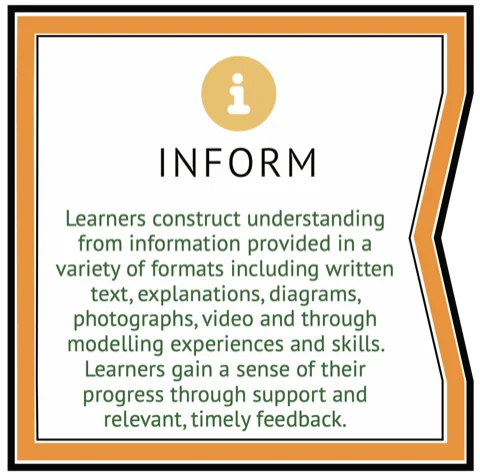
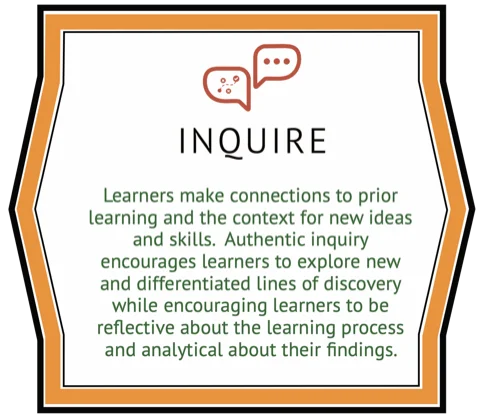
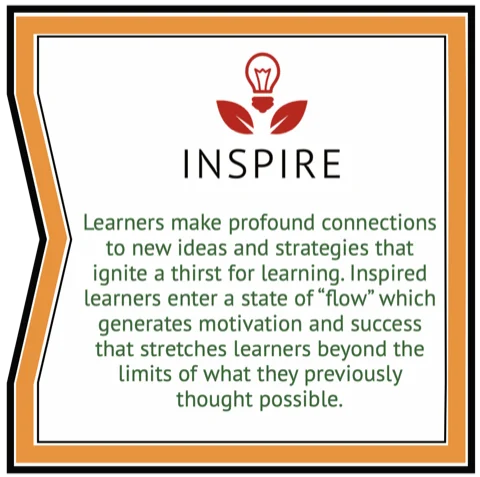
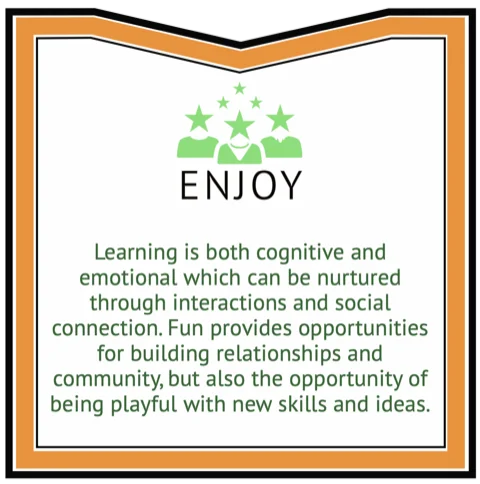
The six principles — three for teaching, three for learning. They define the two axes of the framework.
Octagonal cards (black & orange)
The nine profiles — what learning actually looks like in practice. Each one sits at the intersection of teaching and learning principles.
Coloured cards (five sets)
The support sets — five colours that answer "if I want more of this kind of learning, what can I do?"
1. The foundation: Six Principles ℹ︎
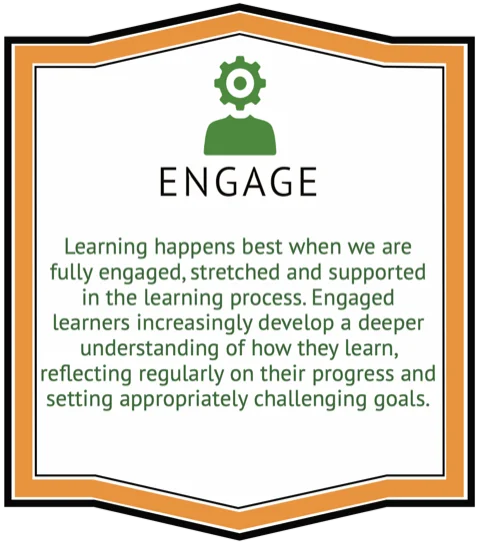
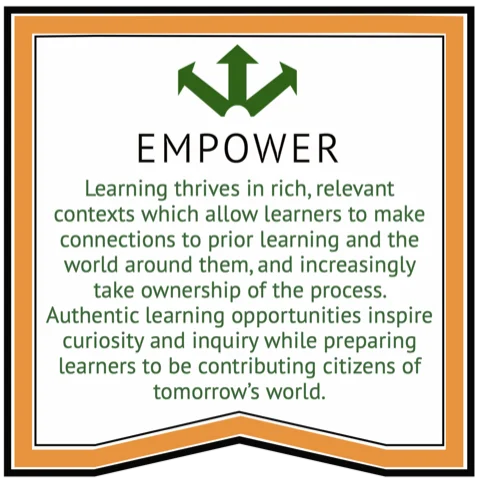
The square cards define two axes. Three for what the teacher does, three for what the student experiences:
2. The structure: the Nine Map ℹ︎
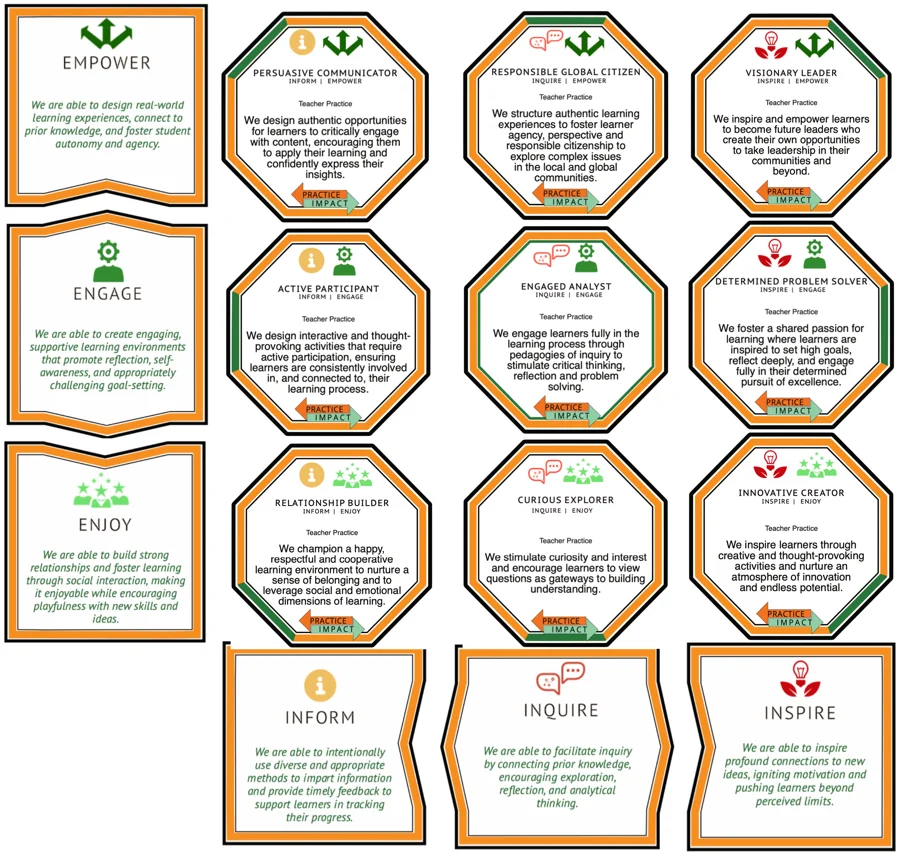
When the two sets of principles intersect, they form a 3 × 3 grid — nine possible learning experiences. Each intersection is a profile.
3. The profiles: learning in action ℹ︎
The octagonal cards translate the map into what learning actually looks like in practice. They help you recognise what students are doing, how they're thinking, and what kind of learning is taking place. Three to start with:
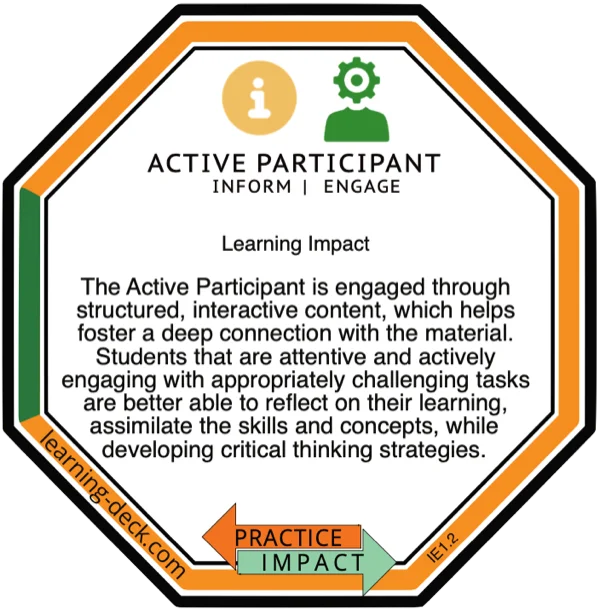
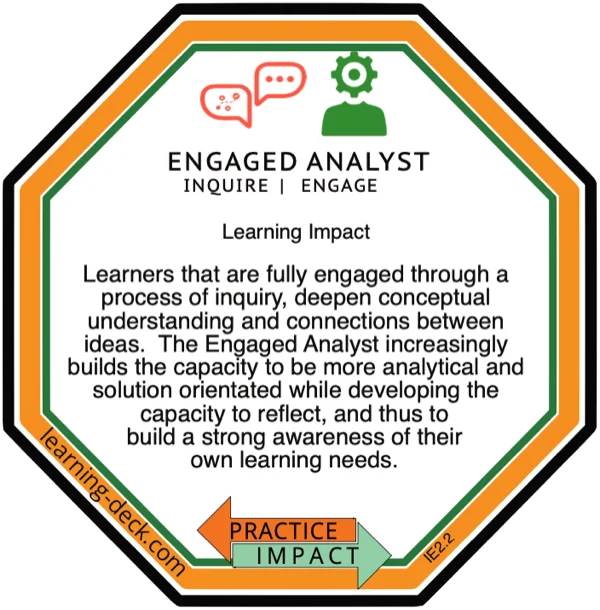

These three help you distinguish activity vs thinking vs inquiry. Lessons can look busy and feel engaging without leading to deeper learning — these profiles make that difference visible.
4. The support sets: shaping learning ℹ︎
The coloured cards answer the question: "if I want more of this type of learning, what can I do?" Five sets, each a different kind of move:
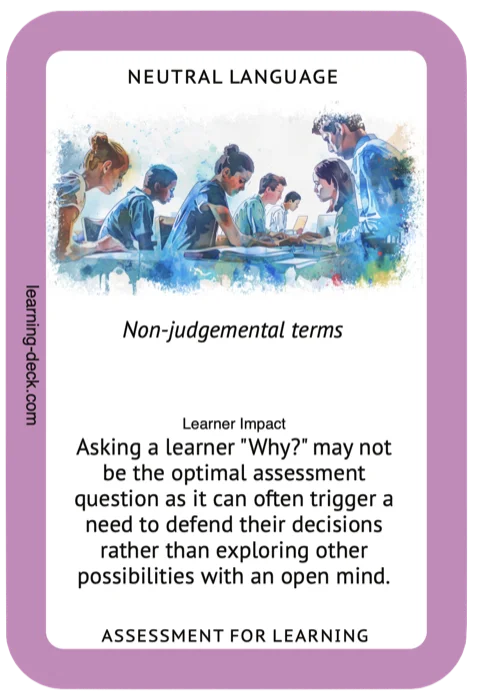
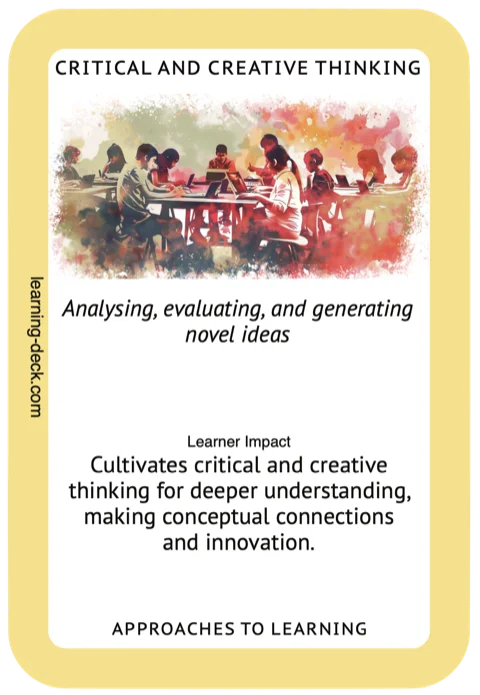
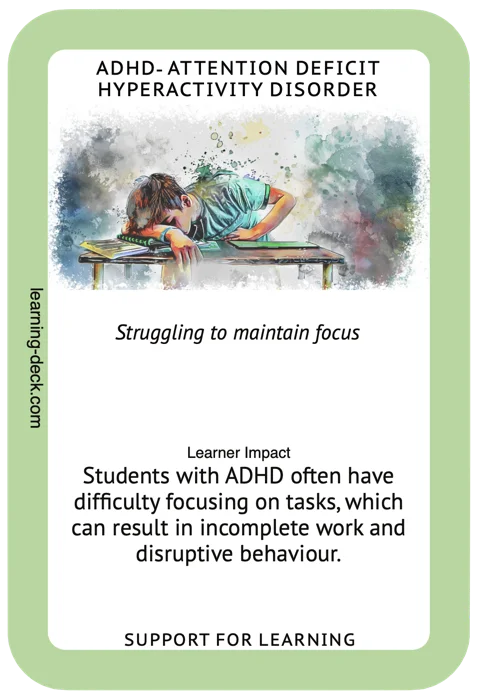
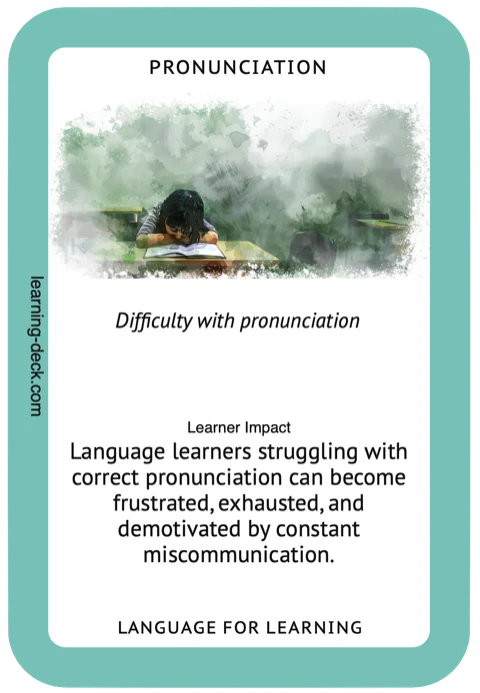
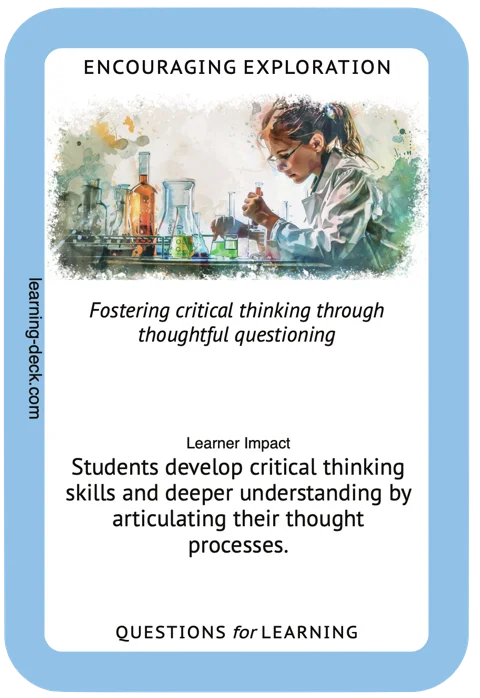
How it fits together
- Principles define the structure — the two axes
- The Map shows the full system — where the kinds of learning sit
- Profiles make learning visible — what each kind looks like in practice
- Support cards help you shape it — concrete moves that change what students do
One line to hold
This deck helps you move from activity to impact.
Where this deck fits in the suite ℹ︎
This deck answersWhat kind of learning is actually happening?
Across all eight: make the invisible visible → choose deliberately → act precisely → reflect and adapt.
Where to go from here
You've now seen what's in the deck — six principles, the Nine Map, profiles, and five colour-coded support sets. That's enough to start with. The next session takes you into the first practical exercise: working with the three profiles to surface how you naturally teach.
If you're leading a team
- Don't start by explaining all six principles — that's a lecture, not a learning experience
- Start with the three profiles. Let teachers describe what they see in their own lessons
- Then introduce the map — it makes their observations land in a structure
- Then connect back to the principles — they'll feel like names for something already understood, not new theory to absorb
The same structure — principles forming a map, expressed through practice — appears across leadership and governance. The context changes, the logic stays.