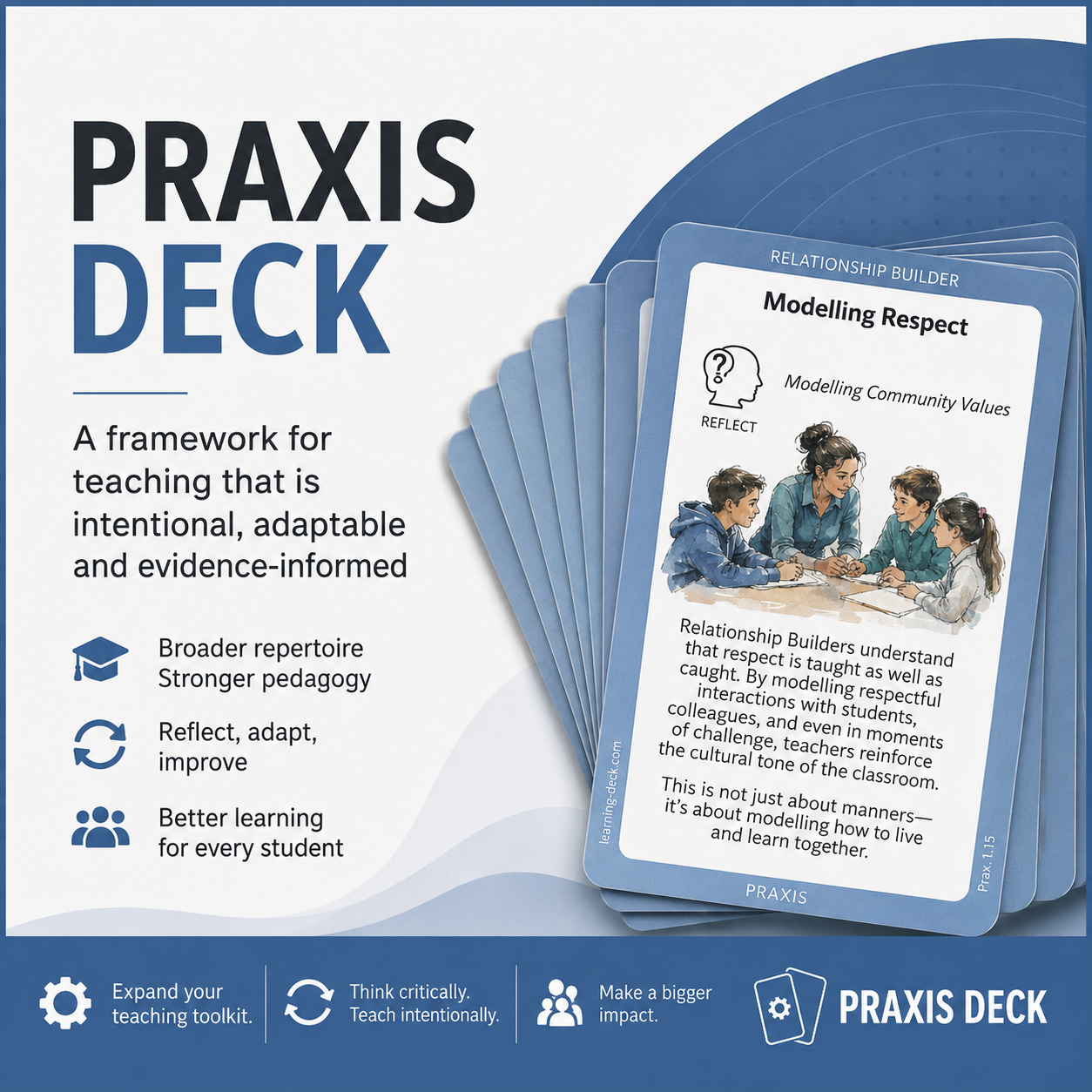
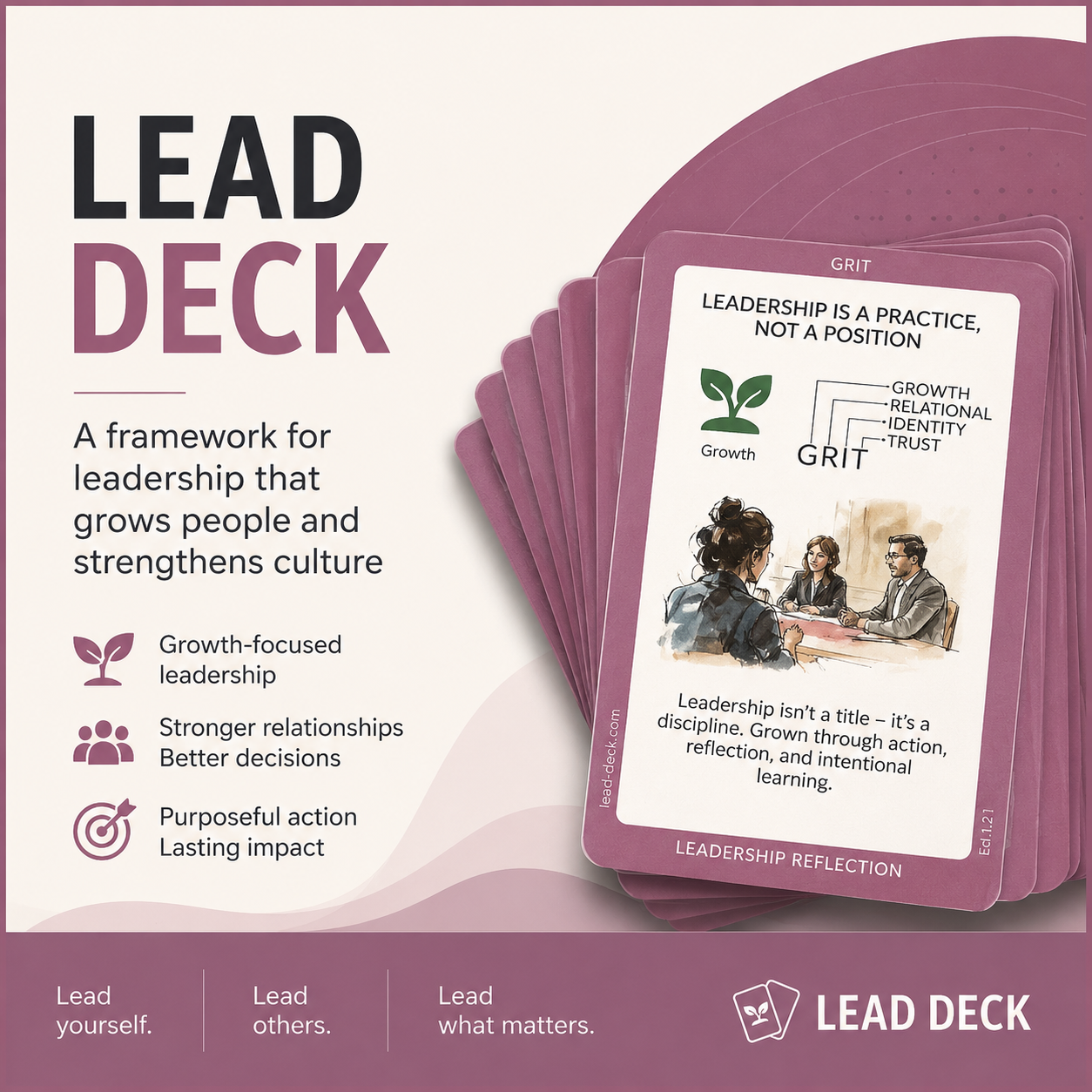
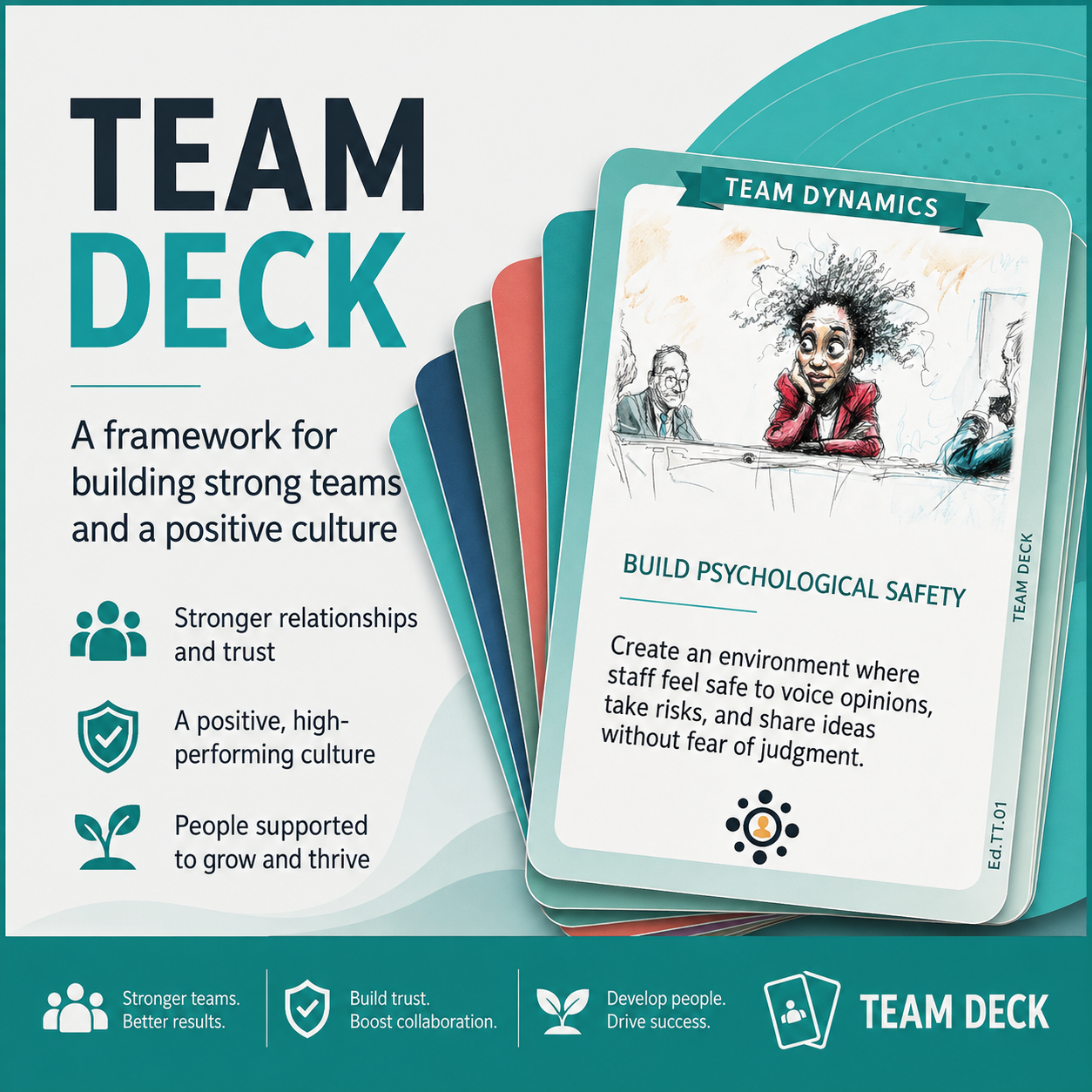
The Learning Deck
Walk into ten classrooms in the same school, and you'll see ten different versions of great teaching.
Not because teachers disagree about what matters, but because they have built their expertise in isolation - and much of it never leaves the room. Without a shared language for teaching and learning, consistency depends more on chance than design.
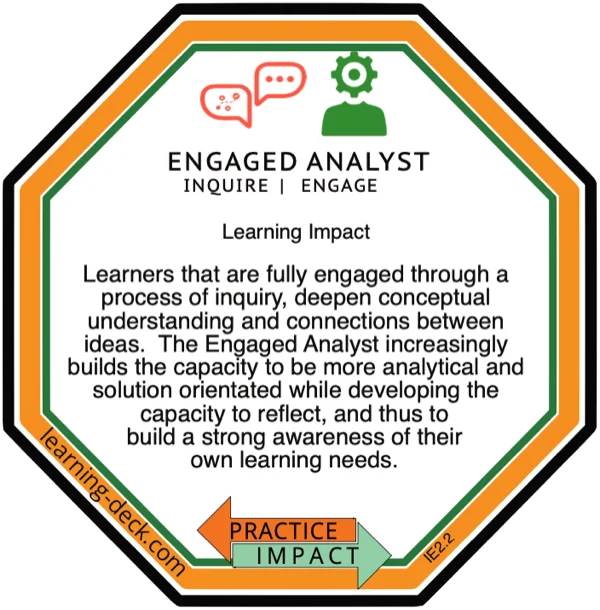
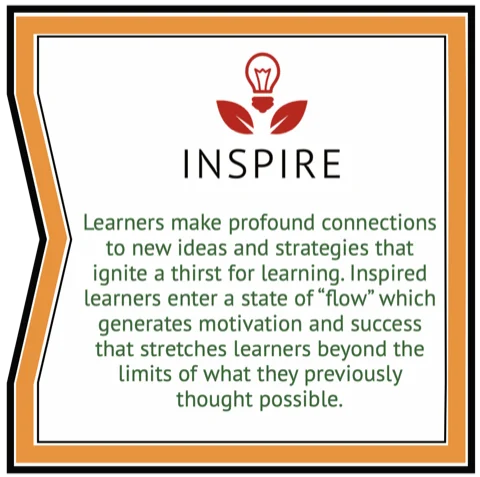
The problem
Why does teaching quality stay stuck, even after all the CPD?
It is rarely a lack of talent or effort. It is that good teaching has no shared language - so it stays private, and can't be seen, discussed, or passed on. The symptoms are familiar in almost every staffroom.
Every classroom is its own island.
Brilliant practice happens next door, and stays next door. Nobody has the words to name it or move it.
We do the CPD day, then nothing changes.
Energy on Friday, old habits by Wednesday. The insight never becomes a practice.
Observation feels like judgement, not learning.
So the honest conversation about the teaching never actually happens.
We have twelve initiatives and no through-line.
Each one competes for attention. None of them compounds into something bigger.
Everyone means "good teaching" - differently.
Without a shared picture, feedback slides and coaching loses its grip.
Recognise these?
None is a shortage of good teaching. Each is a shortage of shared language for it.
The problem was never the teaching. It is that great teaching has no shared language - so it can't be seen, discussed, or spread.
The missing layer
Where does learning actually come from?
Not from the activity you can see. Two lessons can look equally busy - one designs how learners think, the other simply fills the time. What separates them is invisible until you have a language to name it.
Learning is the thinking you can't see - until a staff shares a way to make it visible. Naming it is the first step to improving it, together.
The mental model
So how is learning actually designed?
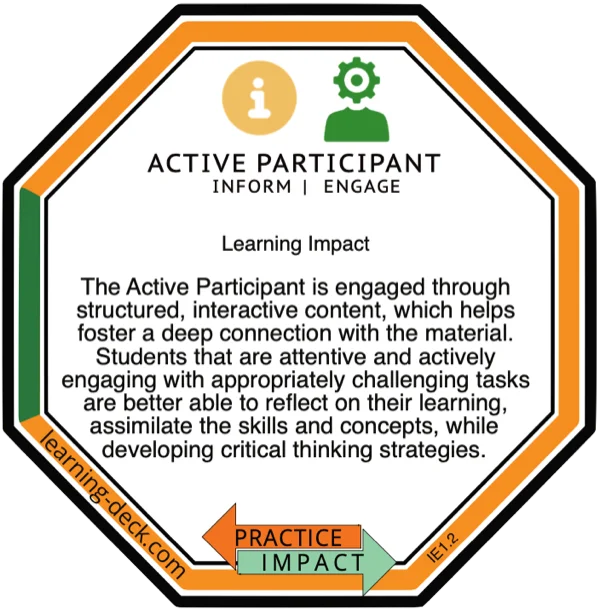
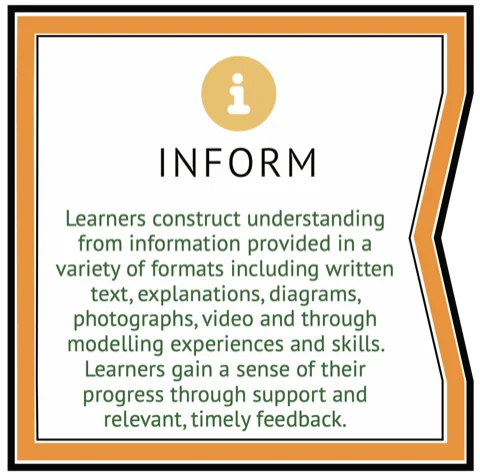
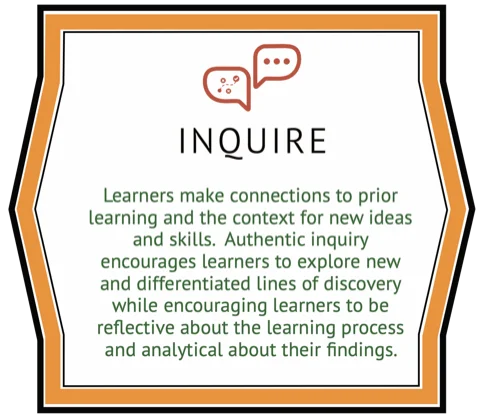
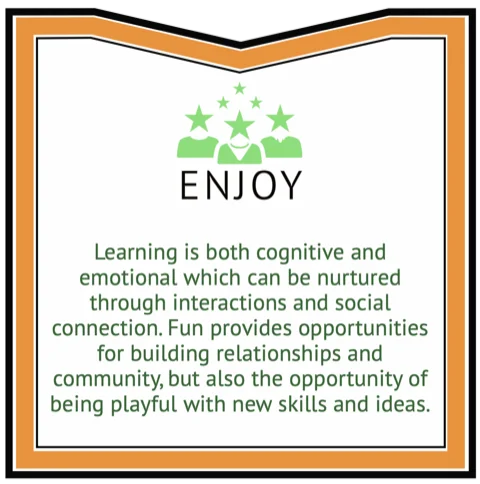
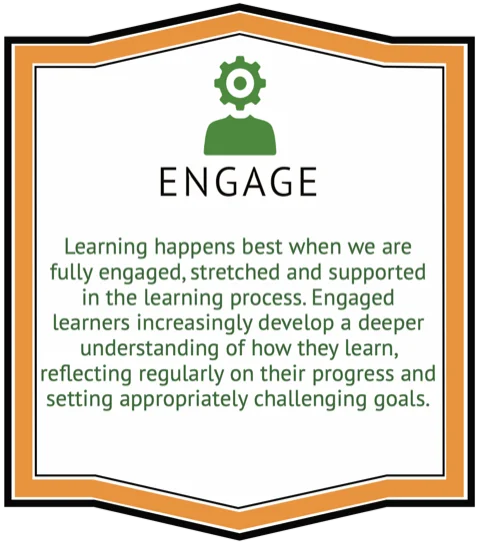
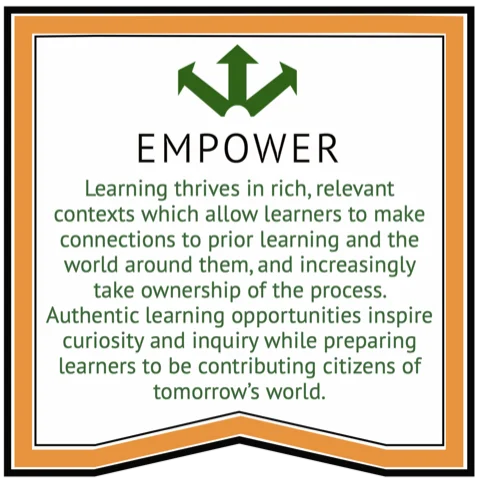
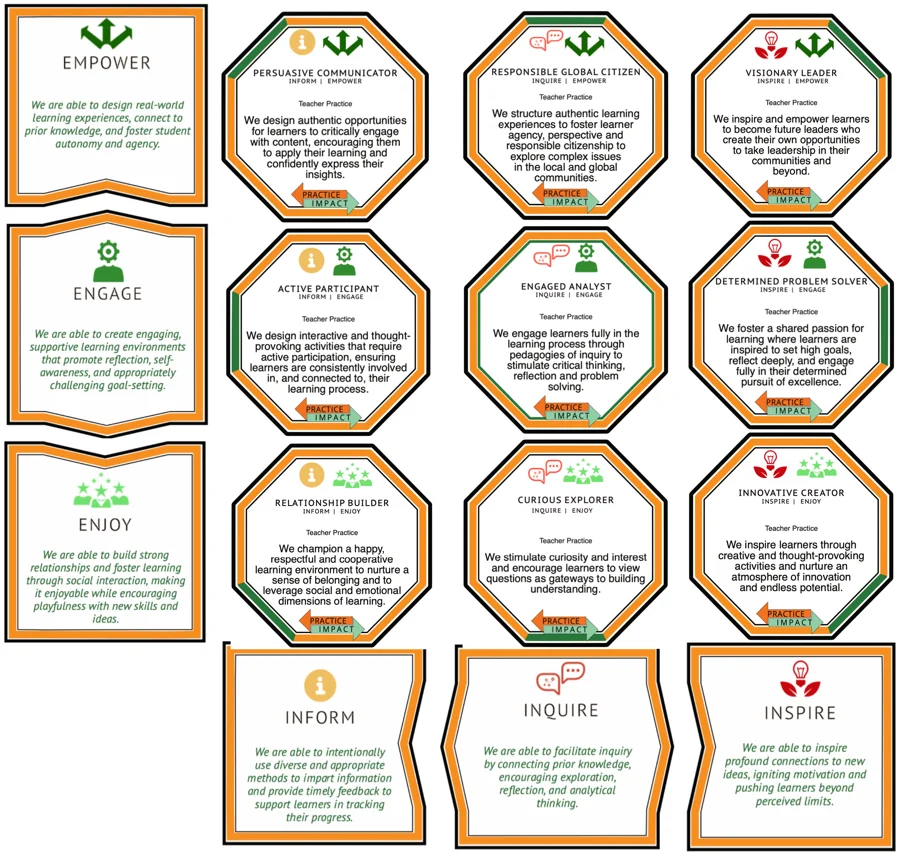
Six ways. Three describe what the teacher deliberately sets up. Three describe what then emerges in the learner. Named together, they become a shared language for what "good teaching" has always meant but rarely said out loud.
The one most people misread
Enjoy is not fun, games or entertainment. It is the condition that makes real participation possible: when a learner feels safe enough to be unfinished in public - to try, to be wrong, to ask - their attention is freed for the actual work. Get Enjoy wrong and Engage and Empower never arrive, however good the activity looks.
The shared language
This is where the Learning Deck comes in.
Not a checklist of techniques. Not another scheme of work. A set of interconnected principles a whole staff can see, say and use - in planning, in the classroom, and in the conversations in between. It makes the invisible design of learning something a team can talk about together.
What becomes visible
A staff who once meant different things by "good teaching" can suddenly see the same thing - and finally talk about it in the same words.
From principle to practice
What does it look like in the classroom?
The deck connects intent to impact. Learner profiles link what the teacher designs to what a learner actually does - and strategy cards turn each principle into a move you can make tomorrow morning.
Learner profiles - teaching intent, observable impact

Strategy cards - a practice you can pick up tomorrow
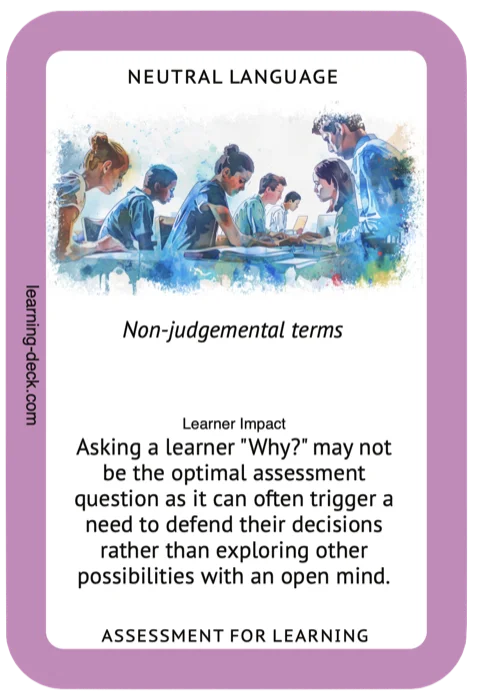
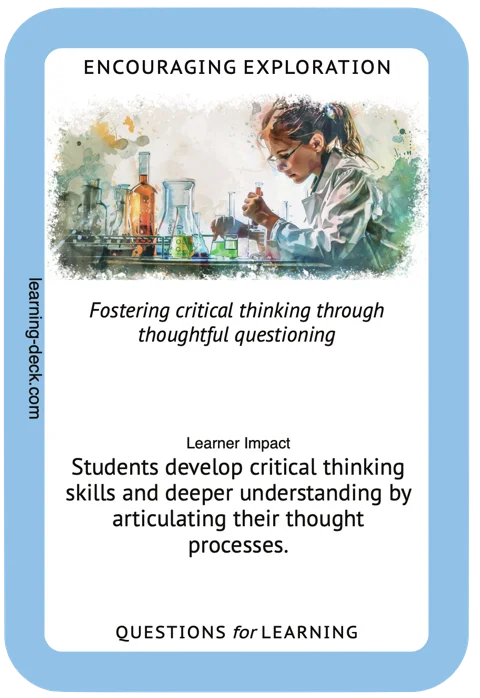
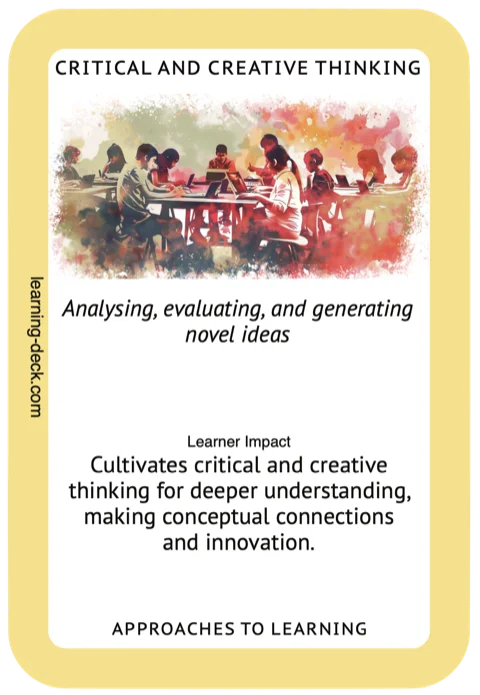
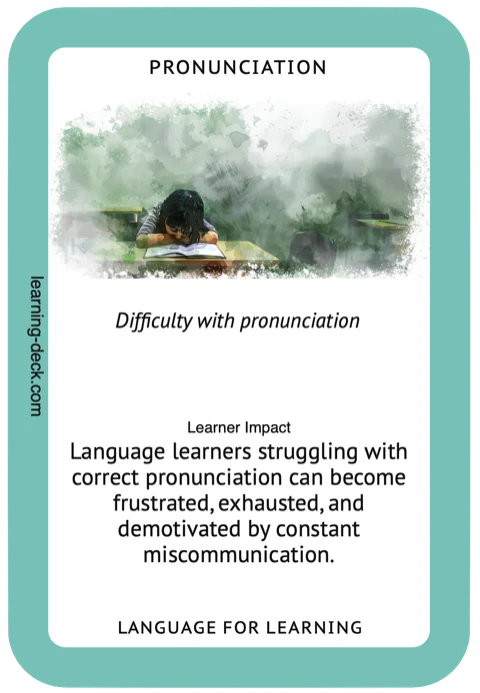
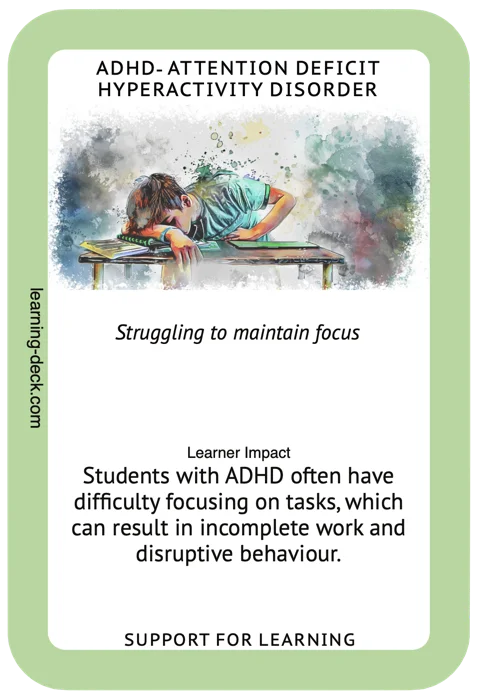
Assessment, questioning, feedback, differentiation - each connected back to the principle it serves, so a strategy is never just a technique.
Why it becomes school improvement
A deck is a practice. Shared, it becomes your culture.
Culture is not what a school says it values. It is what a school repeatedly practises - and culture remembers what we practise. That is why the Learning Deck is more than a resource: it is the practice that, shared and repeated, becomes how your school teaches.
One teacher with the deck has a better practice. A staffroom with the deck builds a shared habit. Repeated across a year, that habit becomes the way your school designs learning. More on this idea: building a thinking culture →
In the rhythm of the school
How does it fit how we already work?
It doesn't add a scheme to follow. It gives shape to the professional work a school already does - a shared language the staff reach for at each point.
Planning
Lesson design
Connect every activity back to the learning it is meant to create.
Together
Coaching talk
Give feedback a shared vocabulary, so it lands and sticks.
In class
Observation
Turn watching into shared learning, not judgement.
Whole staff
CPD & INSET
Replace one-off days with a language that carries between them.
Across classrooms
Shared pedagogy
One picture of good teaching that connects every room.
In the box
What you actually get
A complete, physical set - built for the staffroom table, ready to explore, discuss and use in context.
Six principles
The shared language for how learning is designed, on the Nine Map.
Learner profiles
Linking teaching intent to observable learning impact.
Strategy cards
Lesson-design prompts that connect activity to learning purpose.
Coaching tools
Observation and dialogue supports for reflective professional talk.
Strategy supports
For inclusion, EAL, differentiation and engagement.
The Nine Map
The whole system on one shared picture, connecting every classroom.
See it in practice
Watch the thinking, not just the deck
Make it the whole staff's language
A deck per teacher is where culture starts.
A single set changes one classroom. A set in every teacher's hands is where a shared habit becomes a shared culture. Volume pricing is available for 5+ sets - tell us your school and we'll handle the quote, shipping and any invoicing you need.
Give your school one language for great teaching.
Turn good teaching from something that happens behind closed doors into a shared practice - one your whole staff can see, discuss, and make its own.
Free EU shipping · 30-day returns · Part of the Synnovate Suite
Collective Thinking by Design