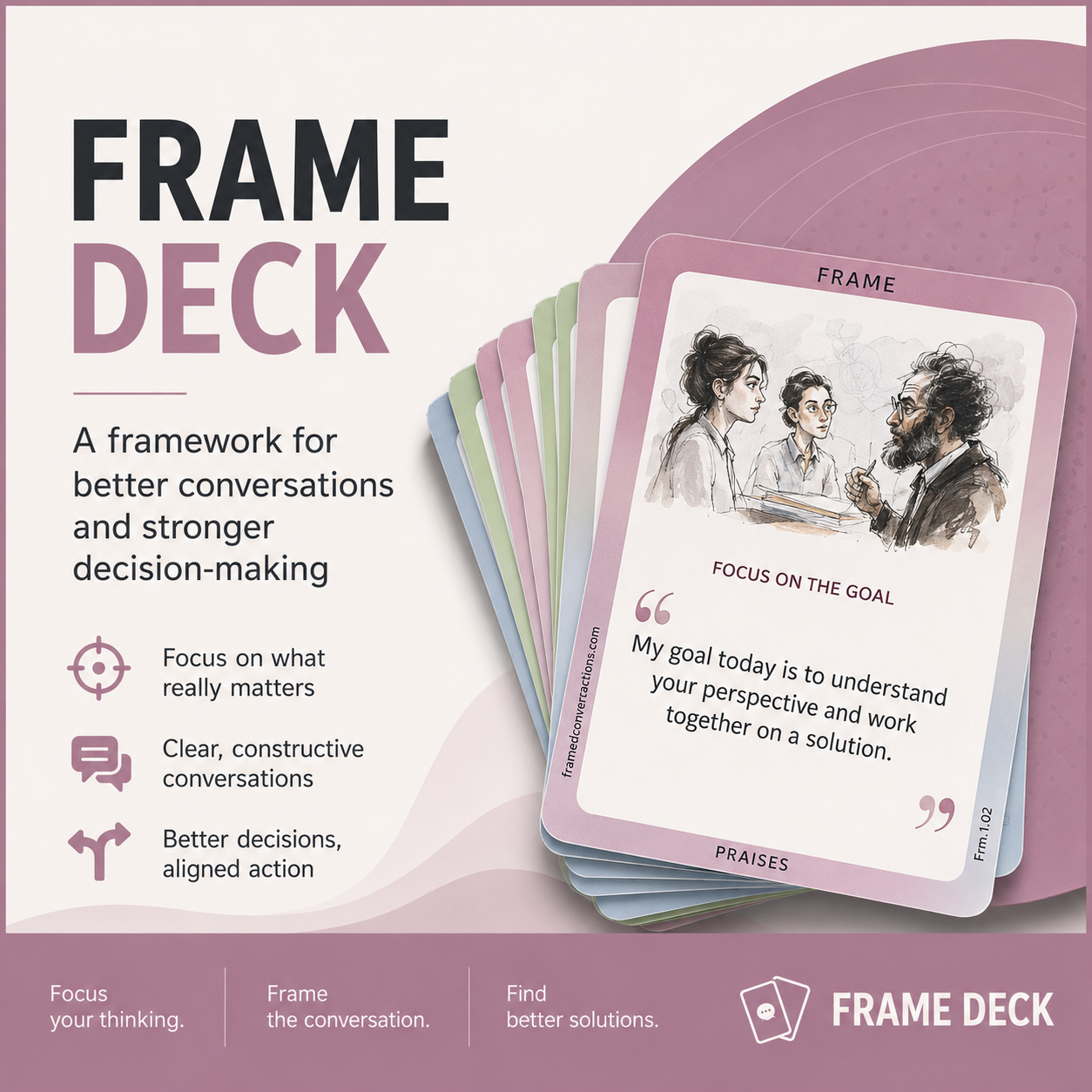
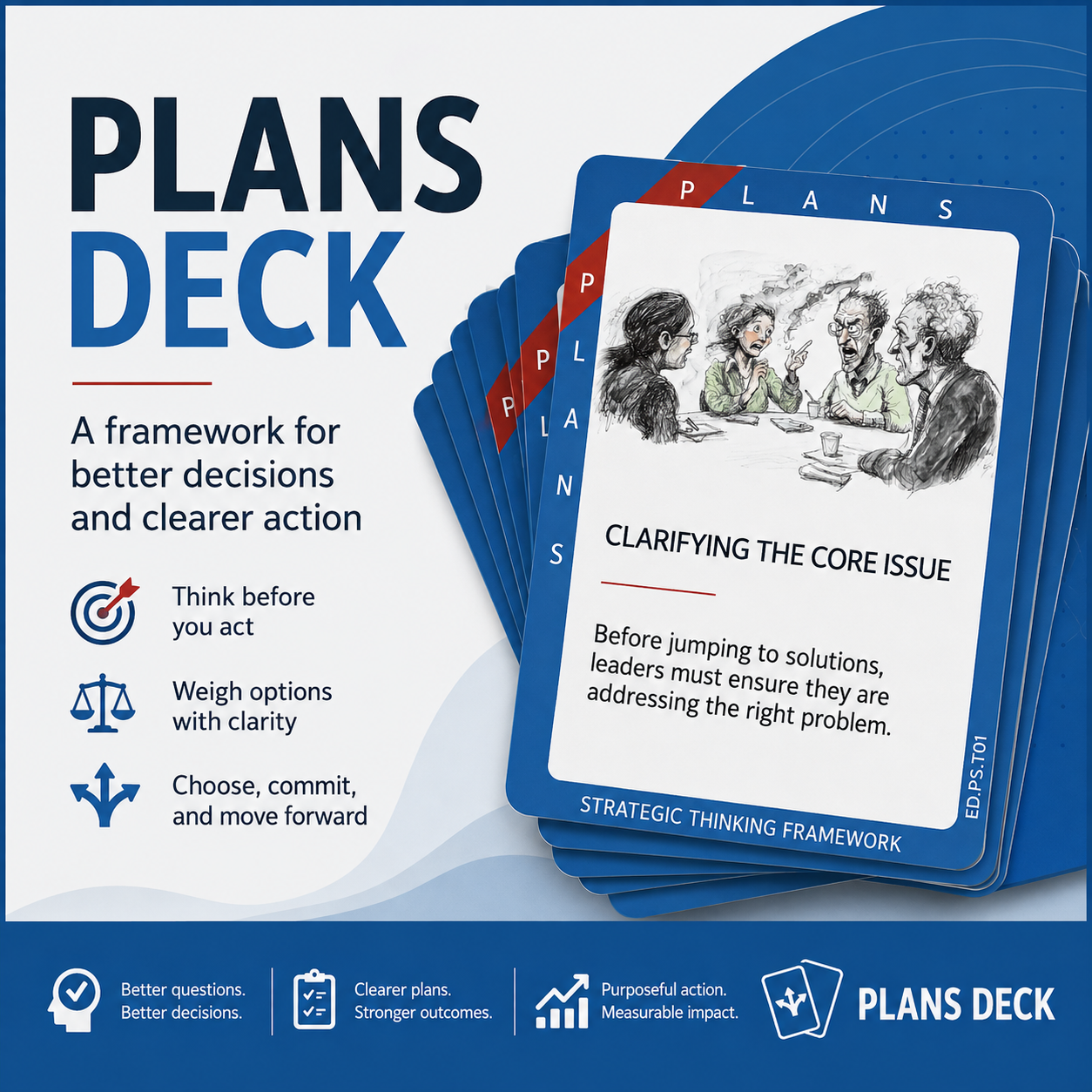
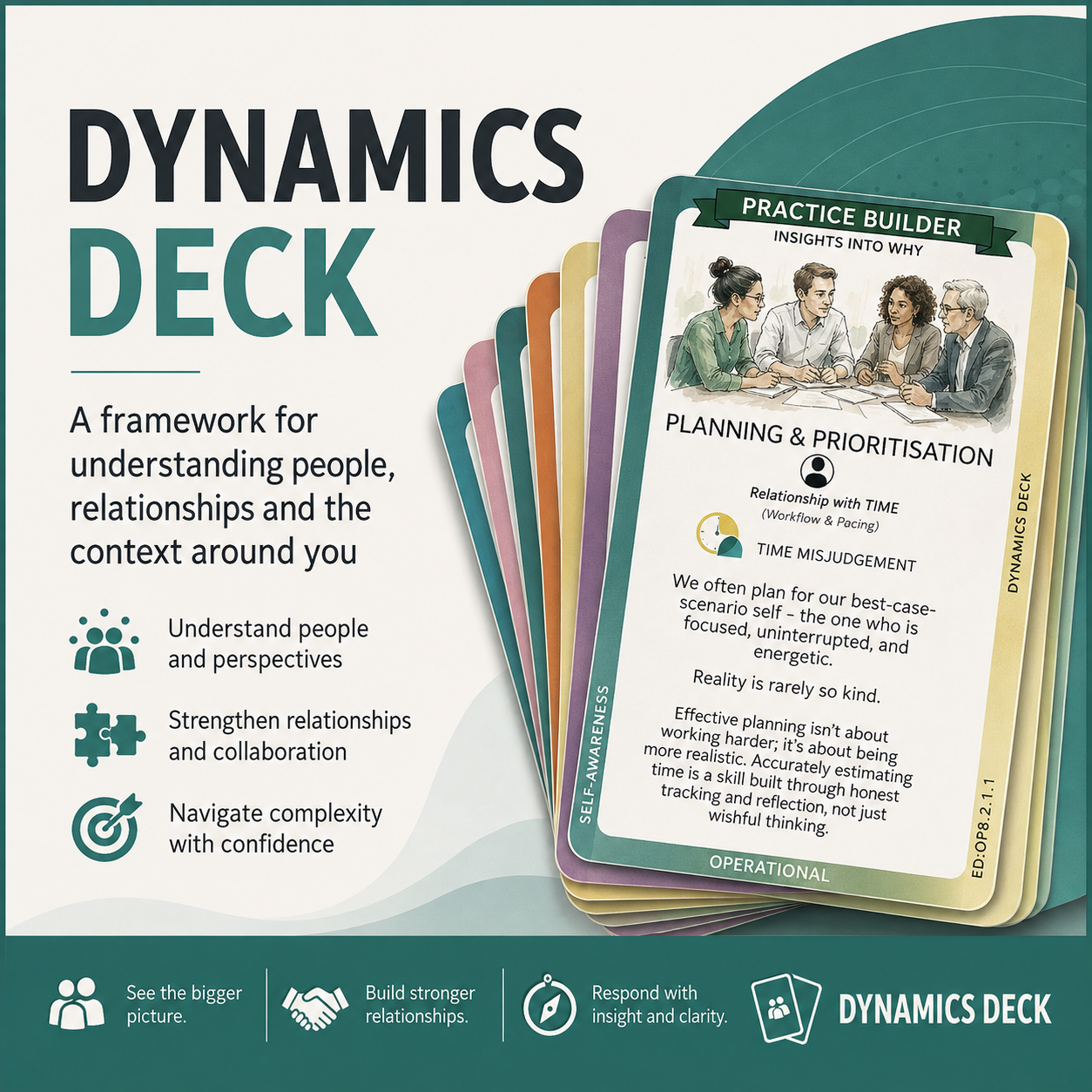
The Lead Deck
Everyone recognises outstanding leadership. Almost no one can say what it's made of.
We know strong leadership when we feel it. Far fewer can explain how it is built, developed, or passed on - because the most influential leadership lives in hundreds of everyday interactions that never appear in a job description, a review, or a leadership programme.
What's really going on
Why does leadership so rarely transfer?
Leadership isn't invisible - it's tacit. A skilled leader reads the room, times the message, holds the tension, asks the sharper question. They do it well because they have done it a thousand times. But ask them to explain exactly what they did differently, and the answer thins out.
What can't be described can't be developed in someone else. So leadership quietly becomes personality rather than practice - admired, depended on, and impossible to hand over. The school leans on the individual, not the capability.
The pattern underneath
Great leaders leave behind stories. Great leadership leaves behind habits.
When leadership stays tacit, a school's capability is only ever as durable as its current people. A strong head, a trusted deputy, an exceptional middle leader - lose any of them, and something no one quite documented goes with them.
The way out isn't to clone a personality. It is to make the judgement underneath it nameable - so it can be seen, discussed, coached and grown across a whole leadership team, not carried quietly by a few.
Which is why it exists
That's exactly why we made the Lead Deck.
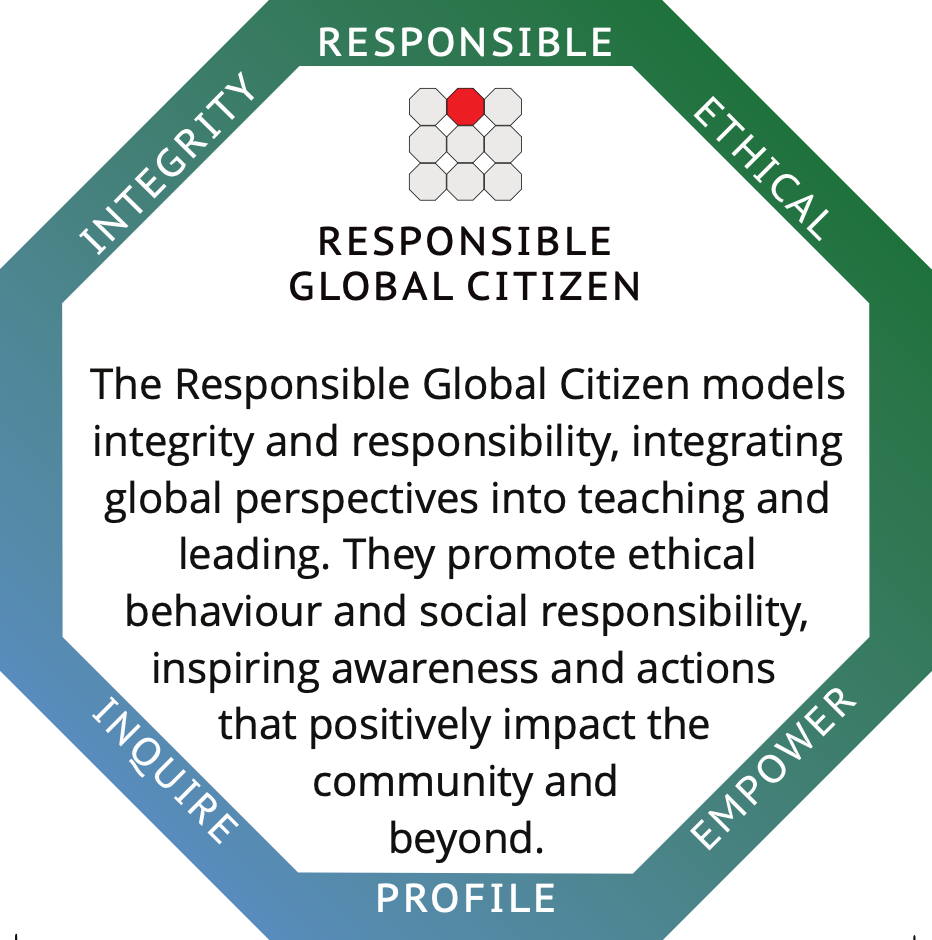
It takes the same six principles that run through every Synnovate deck and turns them on the work of leading adults - giving a leadership team a shared language for the judgement that was previously left to instinct.
Not a competency checklist. Not another leadership course. A way to name what strong leaders actually do, so it can be practised deliberately, coached honestly, and passed on - rather than admired from a distance and lost on their last day.
What becomes visible
Leadership judgement that was only ever instinct - now something a team can see, name, coach and hand on. The influence that lived in one person's head becomes a practice the whole school can grow.
The shared language
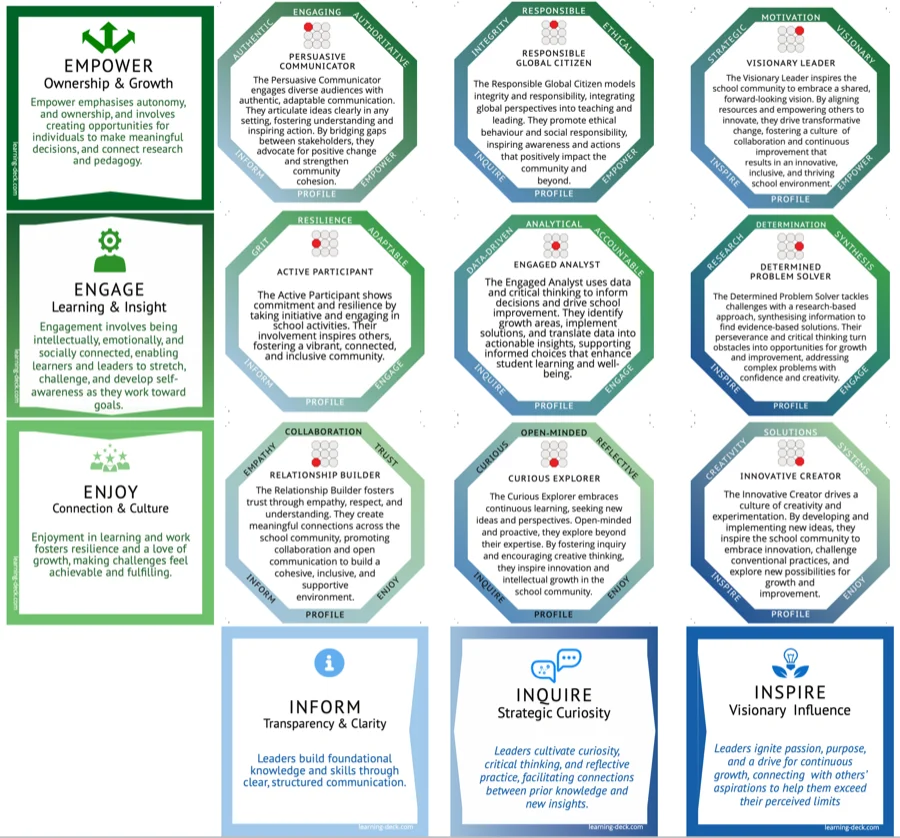
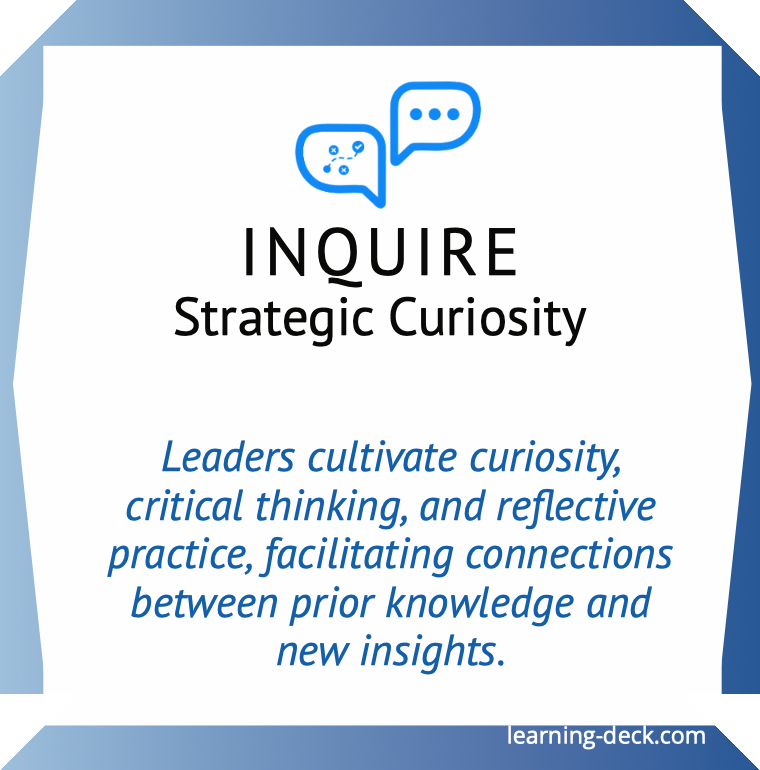
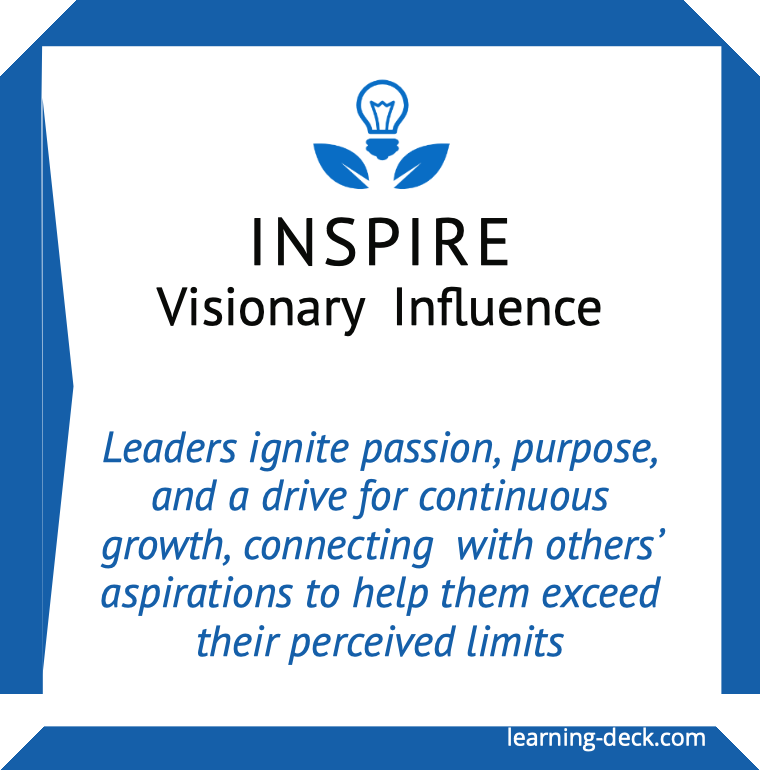
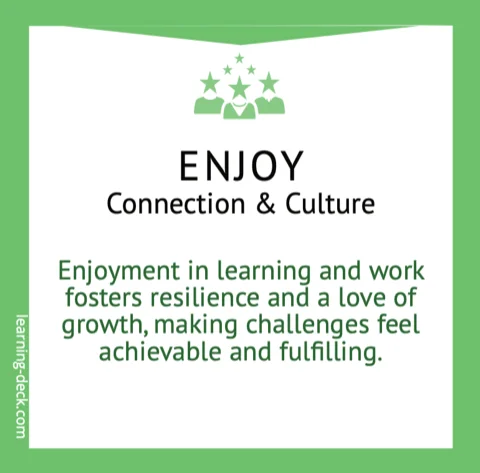
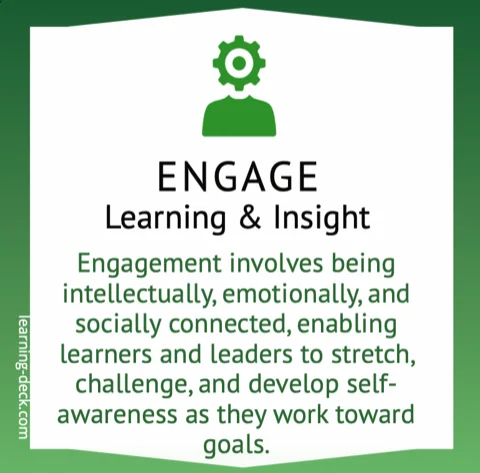
Leadership, in six moves.
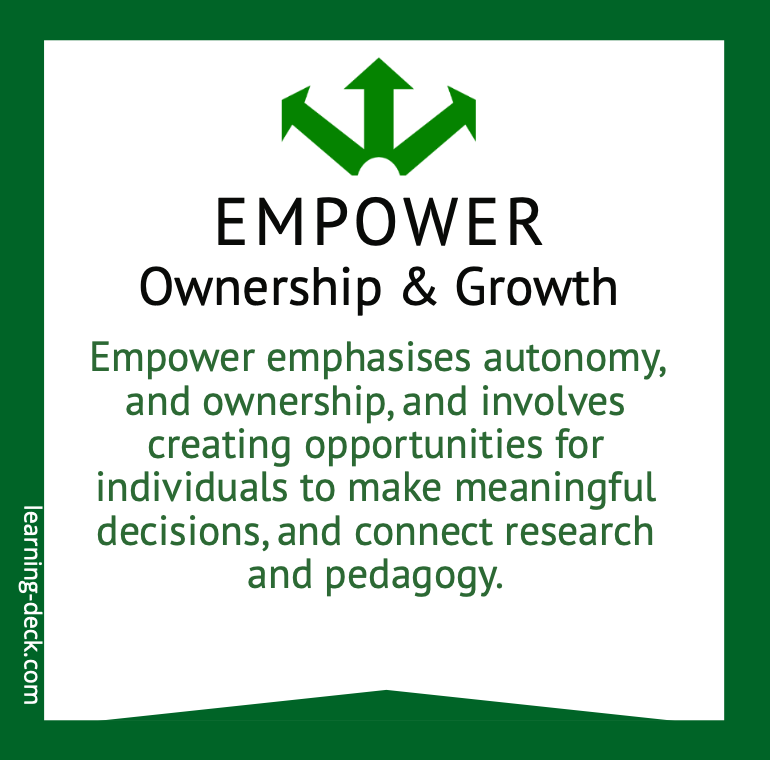
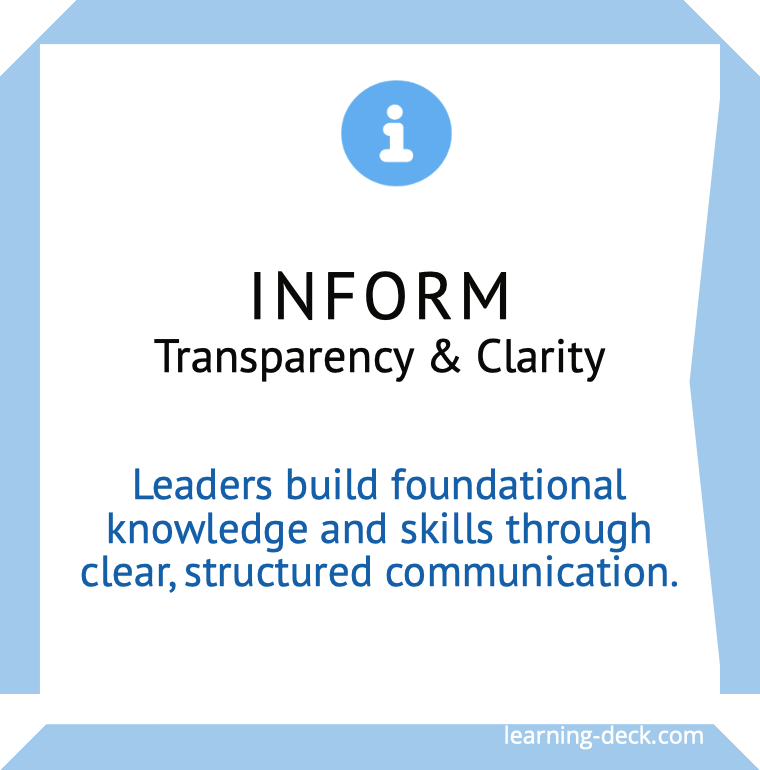
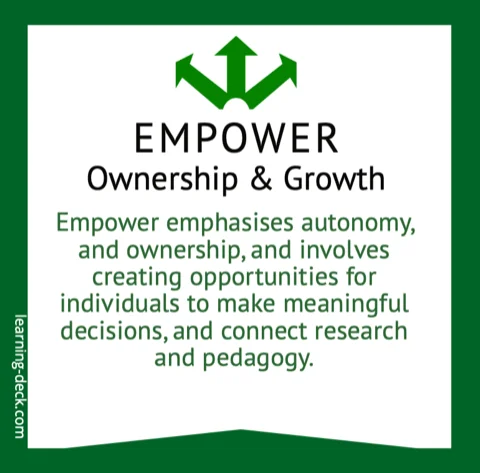
Three describe what a leader deliberately sets up. Three describe what then emerges in the people they lead. Named together, they turn "good leadership" from a feeling into something a team can talk about and practise.
The one most people misread
Enjoy is not about being liked or keeping people comfortable. It is the condition that makes honest work possible: when people feel safe enough to disagree, admit a mistake or raise a risk, their attention goes to the problem instead of to self-protection. Get Enjoy wrong and Engage and Empower never really arrive - however capable the leader.
From principle to habit
The everyday behaviours, made nameable.
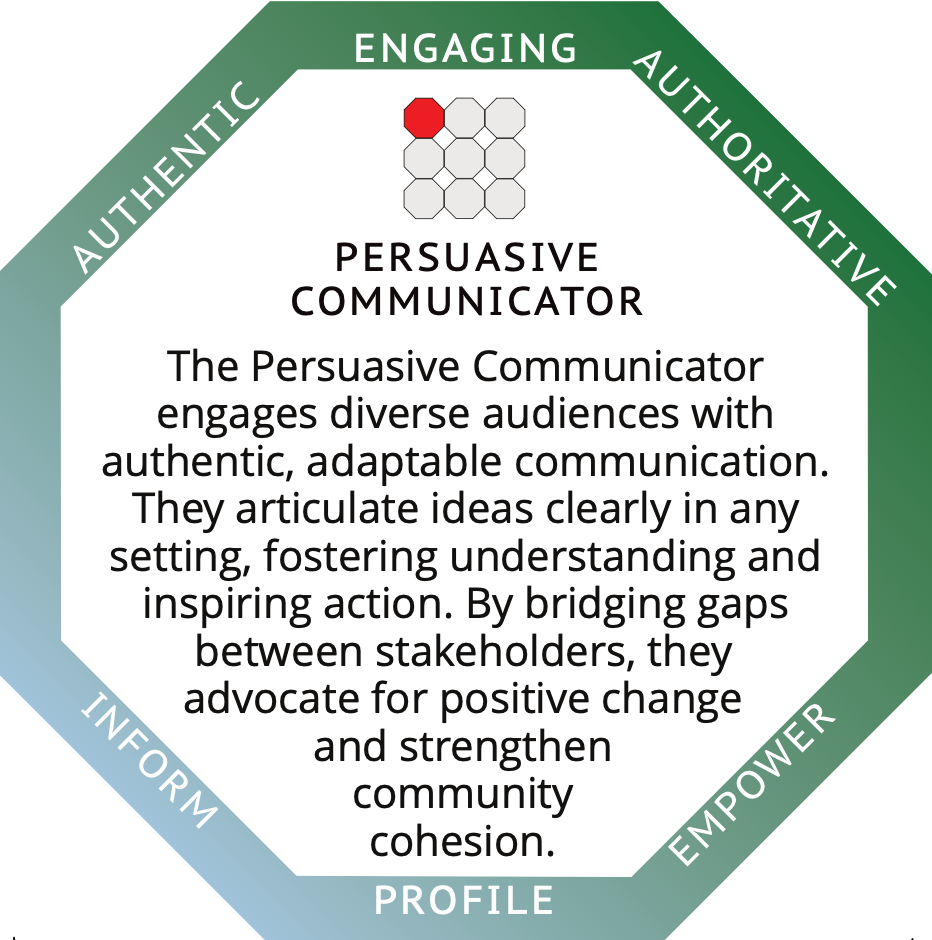
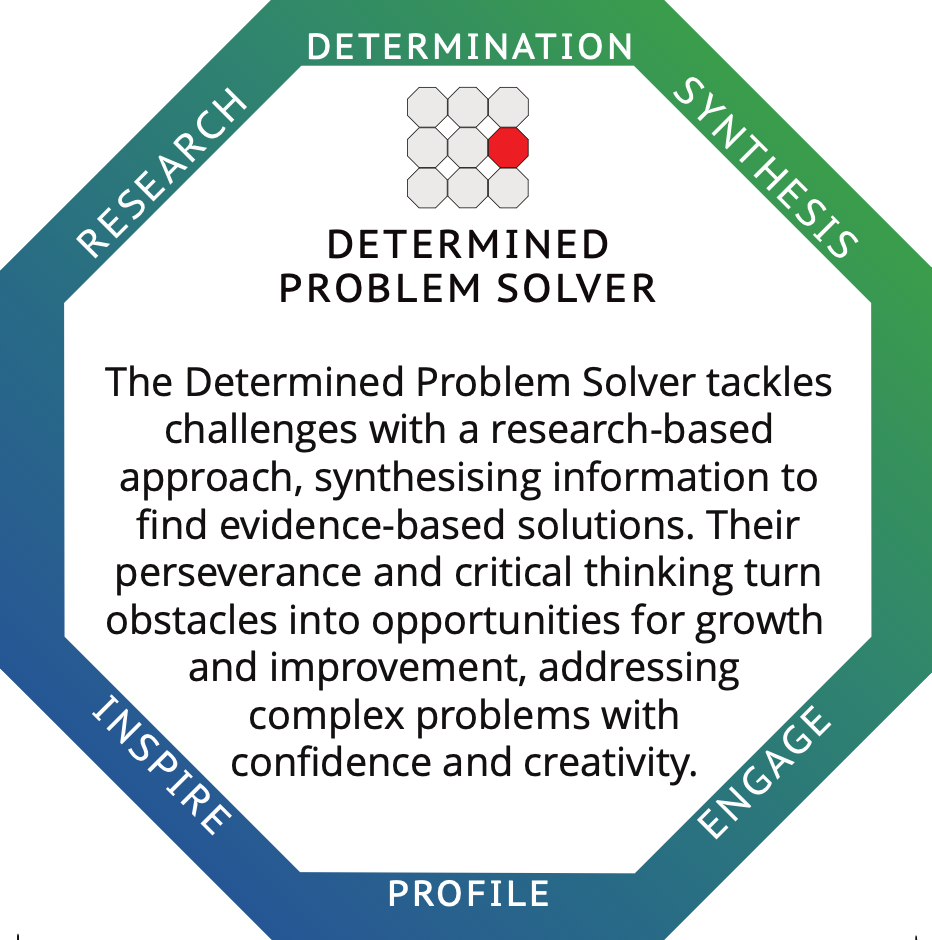
Leadership profiles show the modes a leader moves between; practice cards turn each into observable, everyday habits - the small actions where leadership is really built, and where it can finally be coached.
Leadership profiles - the modes leaders move between
Practice cards - the observable habit
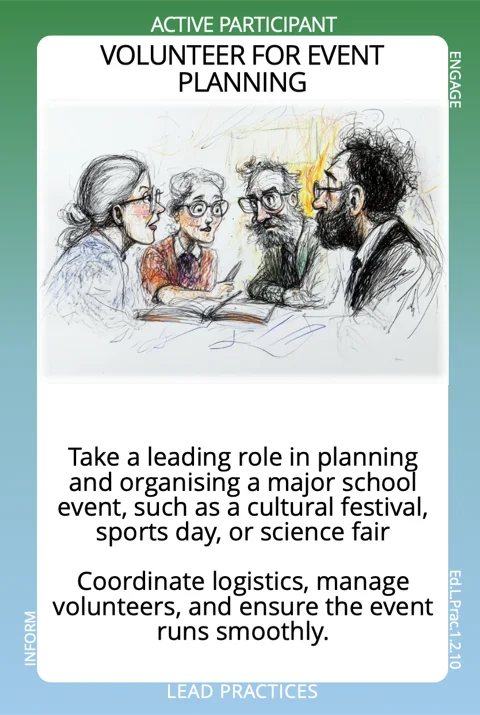
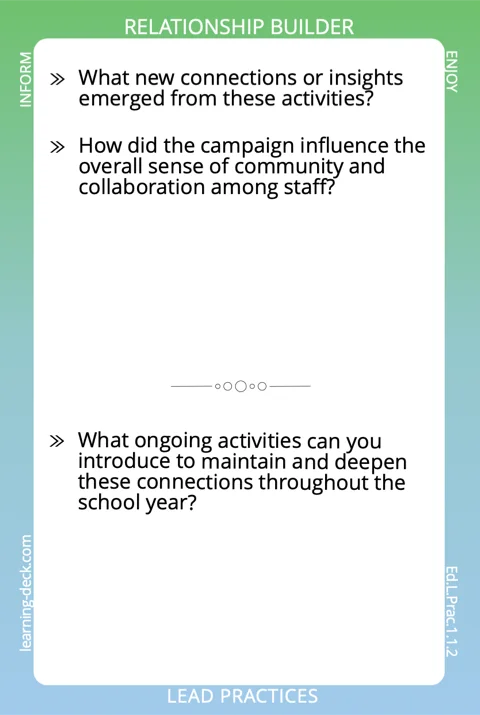
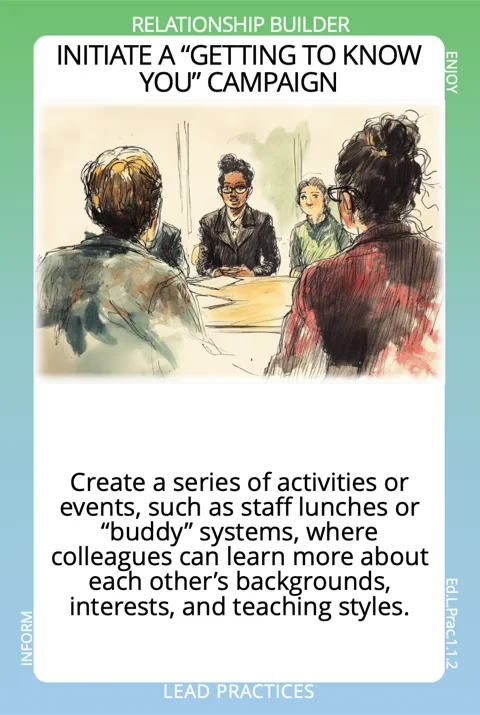
Each practice names a leadership behaviour precisely enough to notice it, try it, and give feedback on it - with Inquiry and Insight cards to test assumptions and surface blind spots.
Why it becomes school improvement
Judgement in one leader. Shared, a leadership culture.
Culture is not what a school says it values. It is what a school repeatedly practises - and culture remembers what we practise. Leadership judgement, once named and shared, stops depending on who is in post and becomes the way the whole school leads.
When a team can name good leadership, they can develop it in each other - so it outlasts any single person's tenure. More on this idea: building a thinking culture →
In the everyday work of leading
How does it fit how we already lead?
It doesn't add a programme. It gives shape and language to the leadership work a school already does.
One to one
Coaching & supervision
Give feedback on leadership a shared, precise vocabulary.
Growing others
Leadership development
Make the tacit teachable, from middle leaders up.
Reflection
Self-review
Notice your own defaults, and the modes you rarely use.
Continuity
Succession & handover
Hand on the practice, not just the post.
Across the team
Shared leadership
One language that connects leaders at every layer.
In the box
What you actually get
A complete, physical set - built for the coaching conversation, the leadership meeting and honest self-reflection.
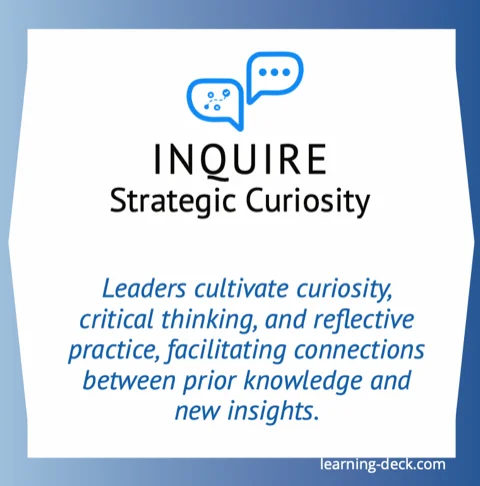
Six principles
The shared language for leadership, on the Nine Map.
Leadership profiles
The modes a leader moves between, and their impact on culture.
Practice cards
Observable leadership actions and habits, made coachable.

Inquiry cards
Questions that deepen reflection and leadership decisions.
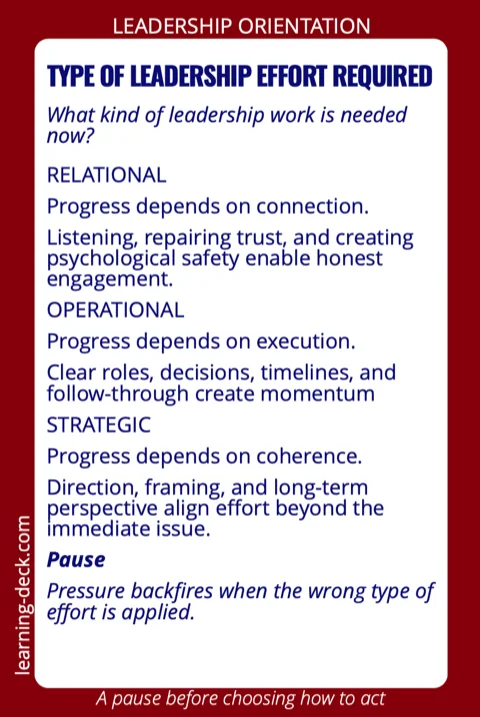
Insight prompts
Provocations that challenge assumptions and blind spots.
The Nine Map
The whole leadership system on one shared picture.
See it in practice
The Lead Deck, in a few minutes
Give the whole team one language
Leadership transfers when a team shares the words for it.
One set sharpens one leader. A set across the leadership team is where judgement becomes a shared, coachable practice - and stops leaving with the people who hold it. Volume pricing is available for 5+ sets; tell us your school and we'll handle the quote, shipping and any invoicing you need.
Turn leadership from personality into practice.
Make the judgement of your strongest leaders visible, coachable and shared - so it grows across the team instead of leaving with the person.
Collective Thinking by Design
Free EU shipping · 30-day returns · Part of the Synnovate Suite